
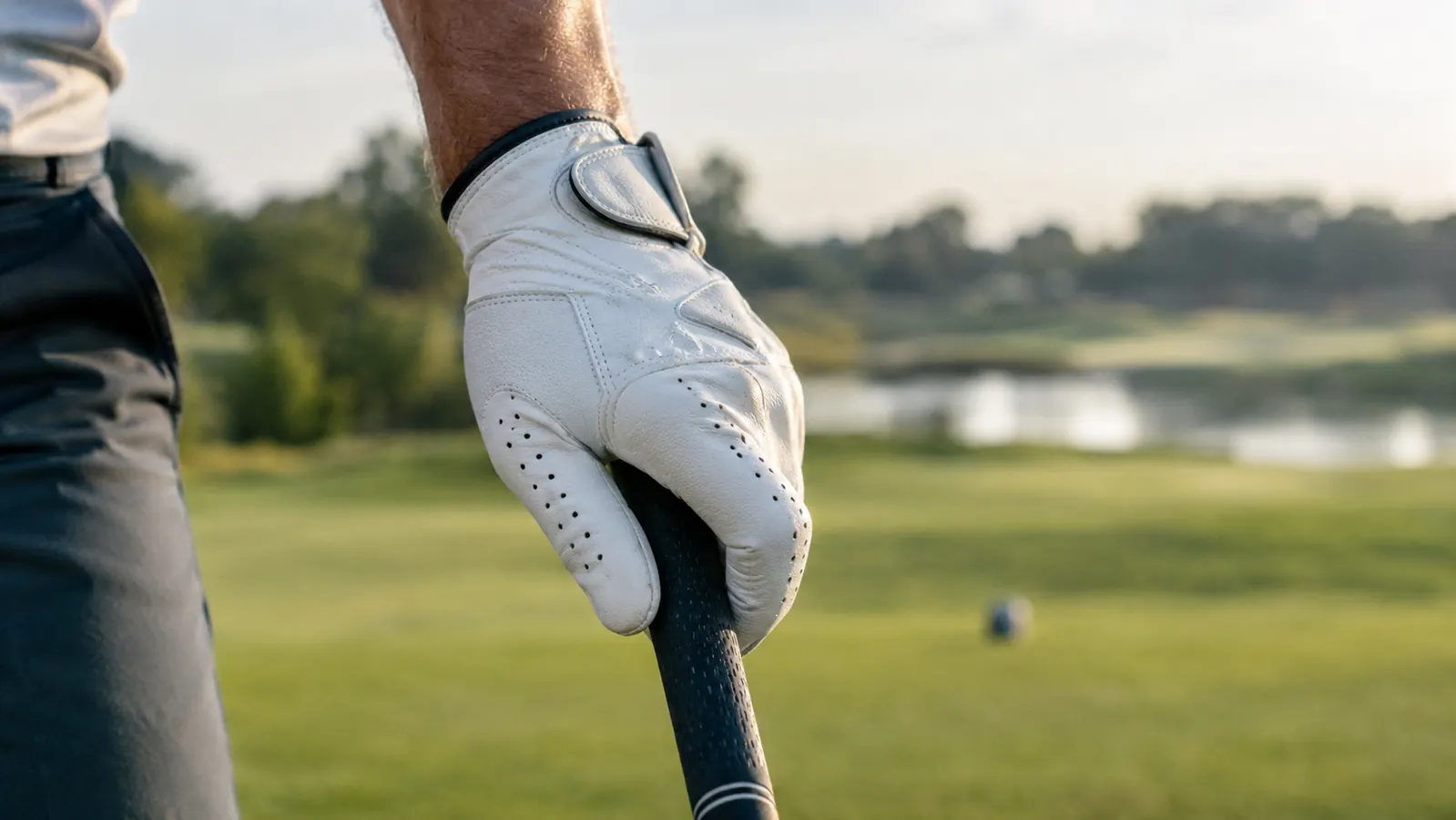
I'll be honest: I did not expect to have strong feelings about a golf glove. I'm Gene, I'm 58, I play to about a 14 handicap, and for years I treated gloves the way I treated sunscreen. I bought whatever was on the rack, wore it until it got stiff, and complained when my grip slipped on humid mornings. Then I spent a season using the FootJoy WeatherSof 2-pack, and I learned that a glove can be the difference between a smooth swing and a shot that starts left and stays left.
This is not a review that promises lower scores. It's a long-term report from a weekend golfer who walks nine holes twice a week at my local public course, plays an 18-hole Saturday round with the same three buddies, and practices at a driving range about ten minutes from home. I've put the FootJoy WeatherSof through a full season: spring rain, summer humidity, fall mornings, and more range sessions than I care to count.
The Quick Verdict
The FootJoy WeatherSof 2-pack is the rare glove that balances grip, comfort, and durability at a price that makes replacing it painless. It won't fix your swing, but it will stop your grip from being the thing you think about mid-swing.
Amazon Check Today's Price →Stop Replacing Gloves Every Month
The FootJoy WeatherSof 2-pack gives you two gloves that hold their shape through a full season of weekend rounds. Check today's price on Amazon and see why it's the glove I reach for first.
Amazon Check Today's Price on Amazon →How I've Used It
I started testing the FootJoy WeatherSof in early spring, when the course was still wet most mornings. My routine is simple: I walk nine holes twice a week with a push cart, and I play a full 18 on Saturdays with my regular foursome. That's roughly 27 holes a week, plus a bucket of balls at the range when I can get there.
I wore the first glove from the 2-pack for the first six weeks, then switched to the second to compare. I kept the same glove on for full rounds, took it off between shots the way most of us do, and let it dry naturally in my bag instead of stuffing it in a pocket. I also did something I normally don't do: I kept notes. Not fancy notes, just a line in my phone after each round about how the glove felt, whether my grip slipped, and how the leather looked.
The conditions varied more than I expected. We had a stretch of 90-degree days with heavy humidity, a few rounds where it rained on the back nine, and plenty of cool fall mornings where the glove started stiff and loosened up by the third hole. That range of conditions is exactly why I wanted to test this glove over months, not a single afternoon.
I started on the first Saturday in April, which turned out to be a good week to begin. The course had finally dried out after a wet March, but the mornings were still in the 40s. On that first round, I wore the WeatherSof on the front nine, took it off for a quick coffee at the turn, and put it back on for the back. The glove went from stiff to comfortable by the second hole, which told me the material would work in cool weather. I also made a point of wearing it on a range session later that week, hitting maybe 60 balls with a 7-iron and then another 30 with my driver. That session is where I noticed the palm staying put even when I regripped, something my old glove never did. It took a few weeks before I trusted the notes, but by May I had a clear picture of how the glove behaved.
Fit and Feel Right Out of the Pack
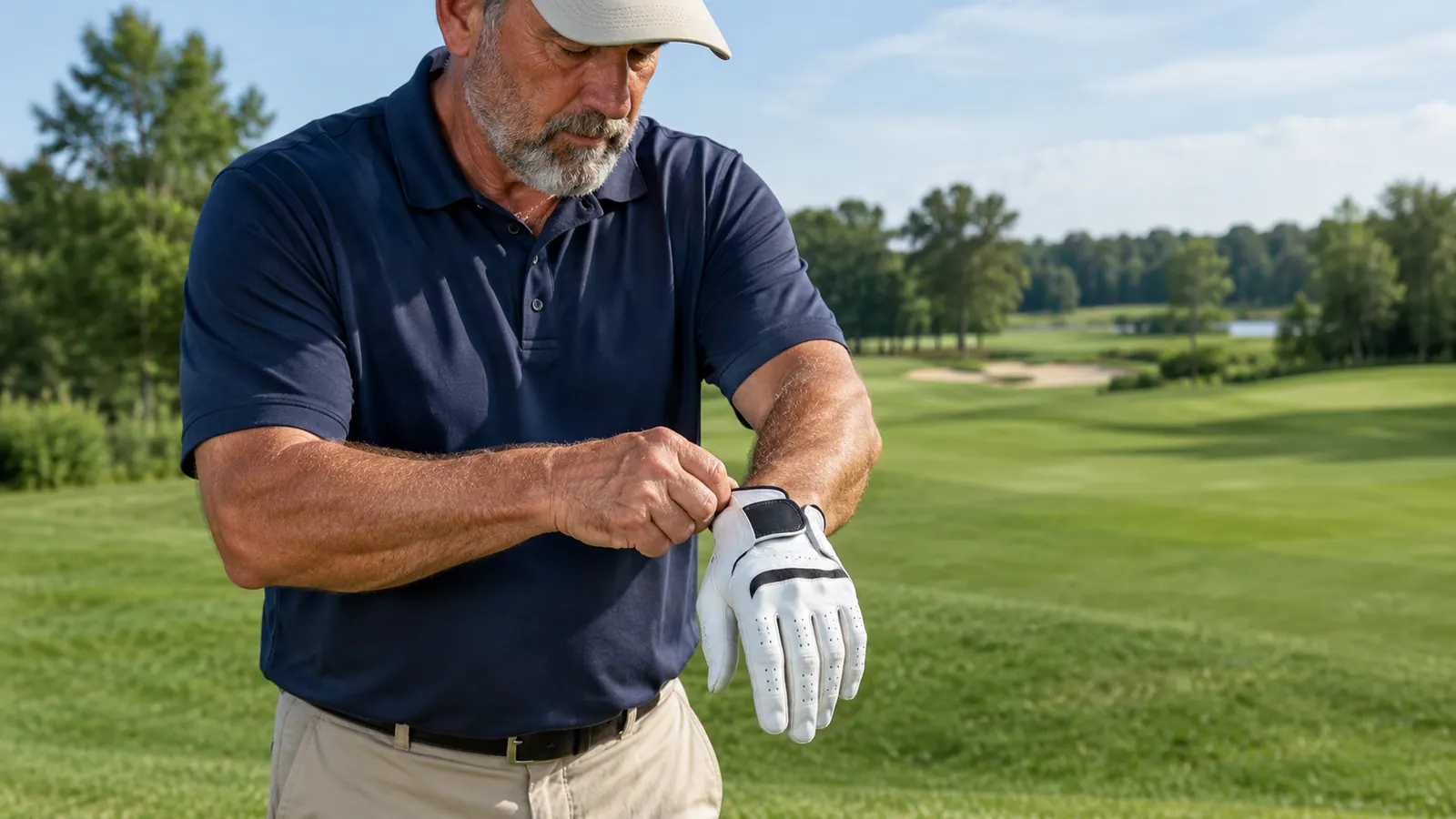
The first thing I noticed about the FootJoy WeatherSof was the fit. I wear a cadet large in most brands, and the cadet large in this glove fit like it was made for my hand. The fingers were the right length, the palm was snug without being tight, and the closure strap sat where it should without bunching. That matters more than people think. A glove that's too loose lets the club twist in your hand. A glove that's too tight makes your hand cramp by the back nine.
I measured my hand before ordering because I've been burned by glove sizes before. Around the knuckles, my hand is 8.5 inches, which puts me in a cadet large in most brands. The WeatherSof cadet large matched that measurement exactly, with no extra fabric at the fingertips. I tried a regular large first, the size I used to buy, and the fingers were about a quarter inch too long, which made the club feel loose in my left hand. I swapped to the cadet large before the first round and the difference was immediate. The fit is the reason I stopped thinking about my grip during the swing.
The material is a synthetic leather that FootJoy calls WeatherSof, and it feels softer than the all-leather gloves I've used in the past. It doesn't need a break-in period. The first time I put it on, it felt like a glove I'd been wearing for a month. That's a small thing, but it means you can buy a 2-pack, open one, and use it immediately without worrying about stiffness.
One detail I appreciated: the glove has a bit of stretch to it, so it moves with your hand instead of fighting it. I have a habit of regripping the club at the top of my backswing, a bad habit I've been trying to break for years. The WeatherSof didn't fix that, but it did mean the glove never added to the problem by slipping or twisting.
Grip in Humidity and Light Rain
The real test for any glove in New Jersey is August. We had a stretch where the humidity made the air feel thick, and my old gloves would get slick by the fourth hole. The FootJoy WeatherSof held up noticeably better. The synthetic material doesn't soak up sweat the way leather does, so my grip stayed secure through the front nine and into the back.
On a Saturday in mid-July, we teed off at 7:30 and it was already 78 degrees with dew on the fairways. By the fifth hole my shirt was soaked, and my old glove would have been slick. The WeatherSof was damp, but it never felt like it was sliding around the grip. I made a point of hitting a few practice swings on the 8th tee with an especially hard grip pressure, and the glove held. The worst test came on an August morning when the humidity was so high that my glasses fogged on the first tee. I played 15 holes before changing gloves at the 16th, not because the first one slipped, but because I wanted to see how the spare felt. The spare felt exactly like the first one, which is its own kind of compliment.
I also played a round where a light rain started on the 12th hole. I expected the glove to get slippery, and it did get damp, but it never got to the point where I felt like I was going to lose the club. I switched to a dry glove from the 2-pack when we got to the 13th tee, which is exactly why buying a 2-pack makes sense. Having a spare in the bag is not a luxury, it's a strategy.
The real test for any glove in New Jersey is August. The FootJoy WeatherSof held up through humidity that made my old gloves slick by the fourth hole.
Durability Over Months of Use
Here's where the FootJoy WeatherSof surprised me. I expected a glove at this price point to wear out quickly, especially since I tend to grip the club harder than I should. After six weeks of regular use, the first glove showed almost no signs of wear. The palm was still smooth, the stitching was intact, and the closure strap still held tight.
I checked the first glove on September 28 after my Saturday round, and the wear spot on the palm was about the size of a dime. It had not spread in the previous month, and the stitching around the thumb was still tight. The hook-and-loop closure still grabbed the way it did on day one, which is not something I can say about the value 3-pack I tried before this one. That glove split at the thumb seam in three weeks, and the palm turned shiny and slick by the fifth round. I bought the WeatherSof 2-pack as a direct replacement, and the difference in construction was obvious from the first time I pulled it on.
By the end of the season, the first glove still had not torn, and the wear spot had not grown beyond the size of a dime. The second glove, which I used for the second half of the season, looked nearly new. For comparison, my previous gloves would start to stiffen and crack around the thumb within a month. The WeatherSof lasted roughly three times as long in my bag.
I should note that I take care of my gloves. I take them off between shots, I let them dry flat, and I don't leave them in a hot car. If you treat a glove like a disposable item, it will act like one. But even with reasonable care, the FootJoy WeatherSof is the most durable glove I've used in this price range.
The 2-Pack Value Question
The 2-pack is the reason I bought the FootJoy WeatherSof in the first place. Golf gloves are a consumable, like balls and tees, and the 2-pack means you always have a backup. When one glove gets wet, you have a dry one. When one starts to wear, you have a fresh one waiting. That's worth more than the small premium over a single glove.
The tradeoff is that you have to keep track of two gloves instead of one. I solved that by keeping one in my bag and one in the garage for range days. That way I always have a glove at the course and a glove for practice, and I'm not digging through my car looking for a dry one.
Pros and Cons
What I Liked
- Comfortable right out of the pack, no break-in period
- Holds grip well in humidity and light rain
- Durable enough for a full season of weekend rounds
- 2-pack means you always have a backup
- Consistent fit in cadet sizes
Where It Falls Short
- Synthetic material doesn't breathe quite as well as premium leather
- Small wear spot appeared on the palm after months of use
- Not the most stylish option if you care about looks over function
Who This Is For
The FootJoy WeatherSof 2-pack is for the weekend golfer who plays once or twice a week and wants a glove that works without thinking about it. If you're a 14-handicap player like me, or a league golfer who walks nine holes after work, this glove is the right balance of price, comfort, and durability. It's also a great choice if you live somewhere humid, because the synthetic material handles sweat better than leather.
It's also for golfers who are tired of replacing gloves every month. If you've been buying the cheapest glove on the rack and watching it fall apart, the WeatherSof will feel like an upgrade in every way that matters. The 2-pack means you get two gloves for roughly the price of one premium glove, and both will last.
Who Should Skip It
If you're a low-handicap player who demands the feel of a premium cabretta leather glove, the FootJoy WeatherSof might not satisfy you. The synthetic material is comfortable, but it doesn't have the same tacky, almost sticky feel that some players prefer. If you're the kind of golfer who notices the difference between glove models, you'll probably want to spend more.
You should also skip it if you play in extreme heat and want maximum breathability. The WeatherSof is fine in normal summer conditions, but on a 95-degree day with no breeze, my hand got warmer than it would with a perforated leather glove. And if you're someone who loses gloves constantly, no 2-pack will save you from yourself. I've lost more gloves to the course than to wear.
The Bottom Line
After months of weekend rounds, range sessions, and one very humid New Jersey summer, the FootJoy WeatherSof 2-pack is the glove I reach for first. It's not the fanciest glove on the market, and it won't lower your score by itself. But it will do the one thing a glove is supposed to do: keep your grip secure so you can think about your swing instead of your hands.
A Full Season of Grip, Without the Monthly Replacement
The FootJoy WeatherSof 2-pack held up through a full season of my weekend rounds. If you're tired of gloves that stiffen and crack, check today's price on Amazon and keep a spare in your bag.
Amazon Check Today's Price on Amazon →